In this guide
You like the idea of giving guests something to do, but you are not convinced a traditional photo booth is the right answer.
That is a useful place to start.
Before choosing a photo booth alternative, decide what you wanted the booth to accomplish in the first place.
Do you want:
- friends taking photos together?
- an activity people can watch?
- a physical keepsake?
- shareable video content?
- candid photos from around the event?
- something guests can join without stopping the rest of the evening?
- a simple do-it-yourself option?
Those lead to very different choices.
For example, a traditional photo booth can still be a strong choice when group photos, quick interactions and digital sharing matter most. Robot portraits or a live artist make more sense when the creation process is part of the entertainment. A 360 video experience suits an event focused on motion and social content. A roaming photographer is better if your priority is documenting what happens throughout the room.
Here are seven photo booth alternatives worth considering for a Winnipeg event.
Photo booth alternatives at a glance
| Option | Best when you want | What guests take away | Main trade-off |
|---|---|---|---|
| Robot portraits | Something to watch plus a personal keepsake | A portrait drawn in pen | Drawing capacity must be planned |
| Caricature or sketch artist | Personal interaction with a live artist | An artist-drawn portrait | Pace and style depend on the artist |
| 360 video experience | Motion and social-media-friendly content | A video clip, depending on setup | Less focused on a physical keepsake |
| Roaming photographer | Candid coverage throughout the room | Event photos, depending on the package | More photography than participatory entertainment |
| DIY selfie wall | Easy group photos and a controlled backdrop | Photos on guests’ phones | You may be responsible for setup and presentation |
| Instant-camera guestbook | Informal photos plus a physical guestbook | Instant photos and/or a completed guestbook | Requires supplies and some guest participation |
| QR guest-photo gallery | Collecting photos from all over the event | A shared digital collection | More photo collection than entertainment |
On a small screen, swipe the table to compare all four columns.
None of these is automatically better than a photo booth. They solve different problems.
If you are specifically deciding between a photo booth, a live caricature artist and a drawing robot, our more focused guide compares robot portraits, caricature artists and photo booths side by side.
1. Robot portraits: when you want the creation to be part of the entertainment
Robot portraits are quite different from a photo booth even though both begin with a picture.
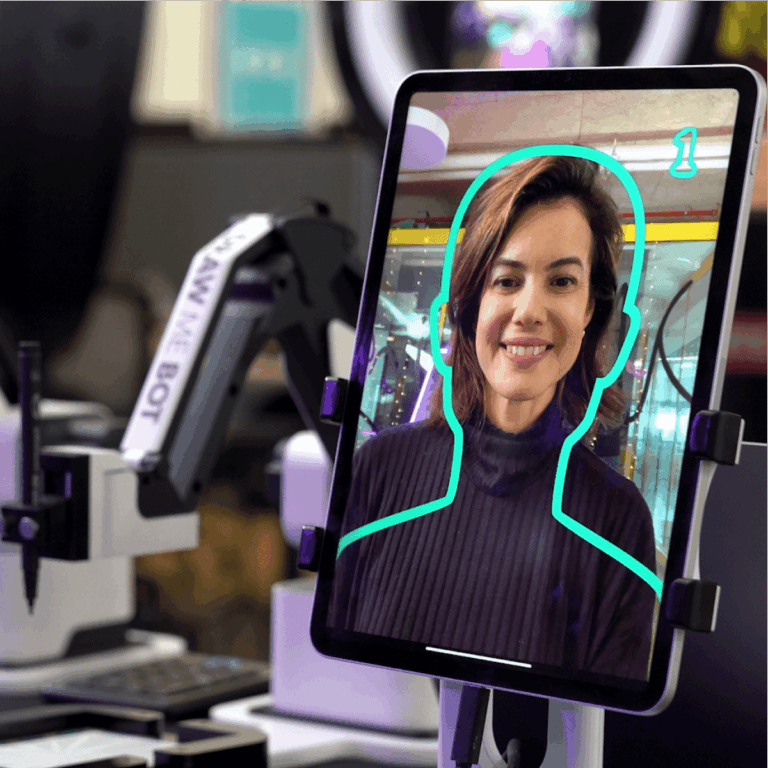
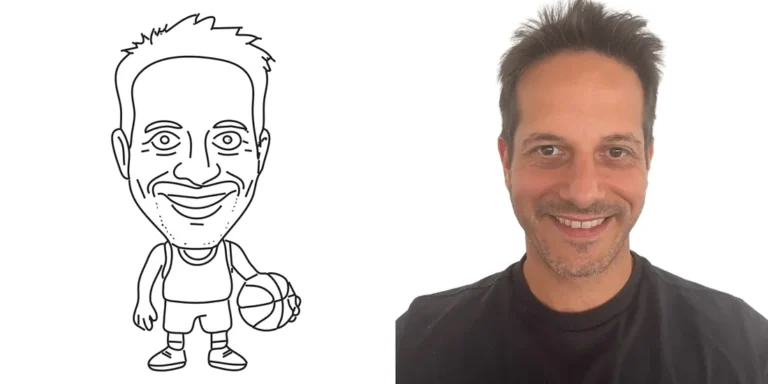
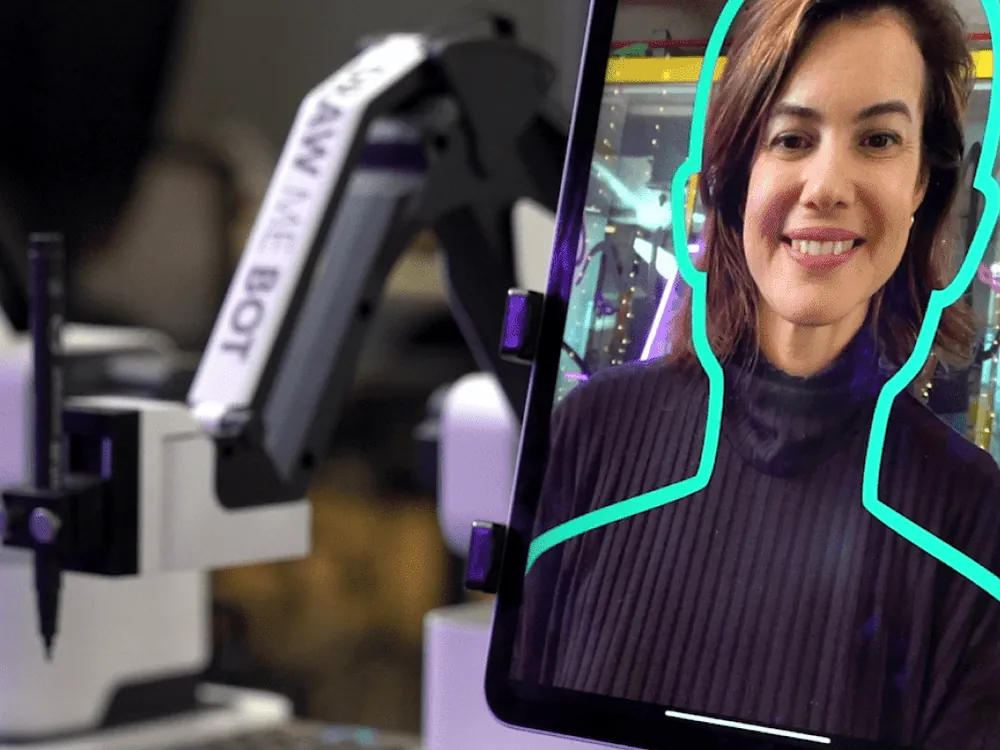
With Robo Portraits, the guest has a photo taken and chooses a portrait style. A physical robot then draws the portrait in pen while the guest and people nearby can watch it develop line by line.
The finished drawing goes home with the guest.
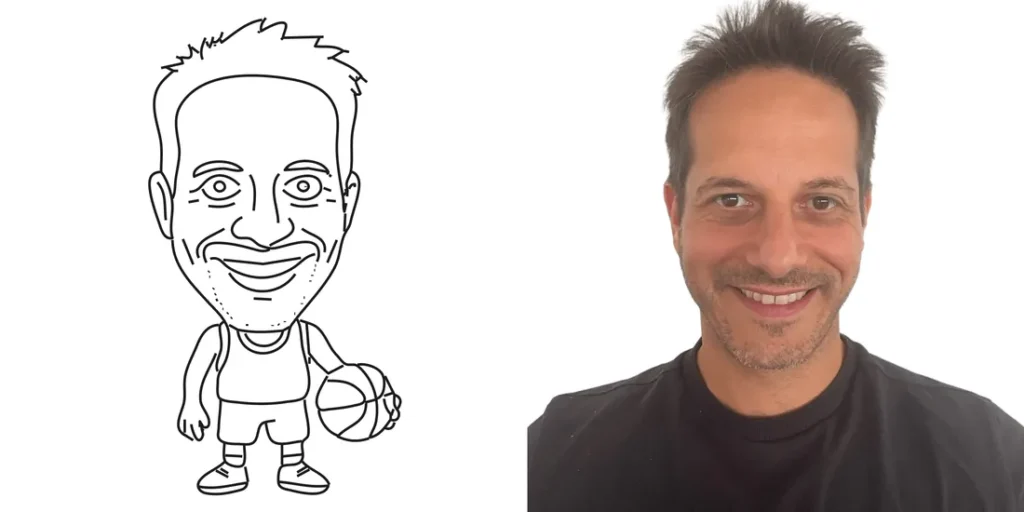
That distinction matters. The attraction is not only the final portrait. Watching a machine create it is part of the experience.
That can make robot portraits a good fit for events where people are already mingling: weddings, staff parties, galas, fundraisers, grads and social events.
Where robot portraits fit well
Consider them when:
- you want an activity people can gather around;
- a physical takeaway matters;
- guests will be circulating rather than participating all at once;
- you want something other than another photograph;
- the event includes people who may enjoy watching even if they do not immediately participate.
They are less suitable when your main objective is to photograph groups of five or ten friends together as quickly as possible. A traditional photo booth or selfie area may handle that job more naturally.
Deciding between those two experiences? Compare robot portraits vs a photo booth for groups, capacity and keepsakes.
You can see the actual process on the Robo Portraits how-it-works page.
Plan capacity, not just attendance
Unlike an open selfie area, portrait drawing has finite capacity.
For planning purposes, Robo Portraits uses approximately 22 portraits per robot-hour.
That means a two-hour booking is approximately:
| Setup | Approximate two-hour capacity |
|---|---|
| 1 robot | 45 portraits |
| 2 robots | 90 portraits |
| 3 robots | 130 portraits |
Those are planning figures, not a promise that every person attending the event will receive a portrait. Actual throughput depends on portrait style and event conditions.
A 150-person wedding also does not necessarily require 150 portraits. Some guests may be dancing, talking, eating or simply watching. What matters is how many people you want to be able to draw during the available window.
Our portrait-capacity planning guide goes into that question in more detail.
What does Robo Portraits cost?
For context, birthdays and small socials start from $799 CAD for one robot and two hours.
Weddings, wedding socials, grads, galas, fundraisers and schools start from $1,195 CAD for two robots and two hours. Staff and corporate parties start from $1,395 CAD for two robots and two hours.
Prices are before applicable taxes.
Standard packages include staffing, setup, operation and physical portraits on standard Robo Portraits cards. Custom cards are available as an option.
Your quote shows every line before you book.
2. A caricature artist or live sketch artist: when the human interaction matters
A live artist provides something a machine cannot: the artist themselves is part of the entertainment.
Guests can talk to the person drawing them. They can see the artist’s interpretation develop. The personality, humour and style of the artist can become part of the experience.
That may be exactly what you want.
A caricature artist can be particularly appealing for a smaller or more social gathering where guests enjoy sitting down, chatting and seeing how an artist interprets them.
The important thing is to look beyond the word caricature.
Styles vary considerably. One artist might produce gentle, flattering likenesses. Another may intentionally exaggerate features for humour. Neither approach is inherently better, but they create different experiences.
Before booking, ask:
- How many people can you realistically draw per hour?
- Can you draw couples or groups?
- What does a typical event portrait look like?
- How much working space do you need?
- Do guests sit or stand?
- What happens if demand exceeds the available drawing time?
- Can another artist be added for a larger event?
If you value conversation with the artist, this option has a major advantage over an automated experience.
If you primarily want higher simultaneous capacity or the novelty of watching a robot work, Robo Portraits may suit the event better.
If drawings are your preferred takeaway, compare robot portraits vs a caricature artist in detail.
3. A 360 video experience: when motion and sharing are the point
A 360 video setup serves a different purpose from a conventional photo booth.
Instead of posing for a still image, guests create a short motion-based piece of content. Depending on the particular setup, that can include effects, overlays or event branding.
This can be a strong choice for:
- parties with an energetic atmosphere;
- younger or social-media-oriented audiences;
- brand events where video content is useful;
- events where guests are comfortable performing for the camera.
The trade-off is the takeaway.
If your priority is a physical object guests can take home, a portrait, printed photo or instant-camera setup may make more sense.
If your priority is a short piece of video content people can enjoy or share, the 360 format deserves serious consideration.
Before booking, ask exactly how guests receive their videos and how quickly they become available. Do not assume every 360 package handles delivery in the same way.
4. A roaming photographer: when you want the event captured, not another station
Sometimes the best photo booth alternative is not another booth at all.
A roaming photographer can move through the room and photograph what guests are already doing: talking, laughing, dancing, eating, watching speeches or participating in other activities.
That solves a different problem.
A booth documents the people who choose to visit the booth.
A roaming photographer can document the broader event.
This may be the better fit if your main objective is:
- candid photographs;
- coverage throughout the venue;
- photos of multiple parts of the evening;
- professional event documentation;
- avoiding another fixed activity area.
The obvious trade-off is entertainment value.
A photographer can interact with guests, but photography is usually not an attraction people gather around in the same way they might watch a portrait artist, drawing robot or performer.
For some events, that is an advantage.
If dinner, speeches, music and conversation already provide plenty to do, you may not need another entertainment station. You may simply want better photographs of the evening.
5. A DIY selfie wall or photo backdrop: when simplicity matters
You do not necessarily need to hire a full photo experience.
A well-designed backdrop and a place for guests to take their own photographs can be enough.
That might be:
- a floral or decorative wall;
- a backdrop related to the event theme;
- a company-branded background;
- a simple area with flattering lighting;
- a wedding display featuring the couple’s names or date.
The biggest advantage is flexibility.
Guests already know how to take pictures with their phones. Groups can come and go when they want. There is no fixed portrait-production capacity.
It can also serve double duty as event décor.
The trade-off is that you are creating the experience yourself.
Think about the whole setup rather than only the backdrop. Where will people stand? Will there be adequate room for groups? Is the background attractive in photographs from the angle people will actually use? Will the area still be accessible once the event fills with tables and guests?
A beautiful backdrop squeezed beside the coat check is not necessarily a useful photo area.
6. An instant-camera guestbook: when you want something informal and physical
An instant-camera station can work particularly well for weddings, anniversary parties, milestone birthdays and other events where a guestbook makes sense.
Guests take a photograph and add it to a book, often with a handwritten message.
The appeal is different from both a booth and professional event photography.
The photographs do not need to be polished. The slightly informal nature of the experience can be part of the charm.
It also creates something for the hosts rather than only for individual guests: a physical record of who attended and what they wrote.
There are practical details to plan, however.
Decide:
- who supplies and monitors the camera;
- whether guests need instructions;
- where extra film or supplies will be kept;
- whether photographs go into the guestbook or home with guests;
- who makes sure the station remains organized as the evening progresses.
For a small wedding or social event, this can be a very appealing alternative.
For a large gala with hundreds of attendees, the same format may require more supervision than you want.
7. A shared QR guest-photo gallery: when collecting photos matters more than creating an attraction
There is another possibility: skip the physical booth entirely and let guests use the cameras already in their pockets.
A shared guest-photo system lets attendees contribute pictures from around the event to a common collection.
This changes the objective again.
You are not asking people to walk over to a booth. You are trying to collect photographs from the tables, dance floor, reception area and other places where guests already are.
This can work well if your priority is coverage and participation, rather than entertainment.
It is less effective if you specifically want an attraction.
Scanning a code and uploading a photograph does not give a room something to gather around. There is no performance, drawing process or physical station unless you add one.
That is why a shared gallery can also complement another form of entertainment rather than replace it.
For example, a wedding could use a guest-photo gallery to collect candid pictures while offering a separate activity during cocktail hour.
When a traditional photo booth is still the right choice
Searching for photo booth alternatives does not mean you should automatically avoid a photo booth.
A conventional booth may still be the strongest fit when you want:
- several friends in the same image;
- very quick participation;
- familiar instructions;
- props or themed poses;
- photo prints, if included;
- digital sharing, if included in the package.
Guests understand the concept immediately.
There is also something useful about giving people permission to be a little silly in front of a camera with their friends.
The main lesson is to compare actual packages, rather than the category names.
One photo booth might be a simple camera and backdrop. Another might include prints, an attendant, props and digital delivery. One live artist may draw quickly while another produces more detailed work. One 360 setup may be highly managed while another expects guests to do more themselves.
Ask what you are actually buying.
For a staff or company function, our guide to corporate event entertainment ideas in Winnipeg compares formats by your event objective.
Use these six questions to make the decision
You can narrow the choices quickly by asking six questions.
1. What should guests actually do?
Picture the moment.
Are friends posing together?
Is someone sitting across from an artist?
Are people watching a robot draw?
Are they making a video?
Is a photographer moving through the room?
The guest experience matters more than the equipment name.
2. What should guests leave with?
A photograph and a drawing are not interchangeable.
Neither is necessarily better.
Decide whether you want guests to leave with:
- a physical portrait;
- a printed photograph;
- digital photos;
- a video;
- nothing at all, because the real goal is event coverage.
This one question can eliminate several options.
3. How many people realistically need to participate?
Do not automatically use your total attendance.
A 200-person gala with several activities does not necessarily need entertainment capacity for 200 people.
A birthday party with 15 children may be completely different: you may reasonably want all 15 to participate.
Ask each provider for realistic capacity during the time you are booking.
4. Will demand happen all at once?
A two-hour cocktail reception can create very different demand from a six-hour event where people participate gradually.
If most people are free at the same time, simultaneous capacity becomes important.
If guests can drop in throughout the evening, total operating time may matter more.
5. What does the venue allow?
Before you book any station-based entertainment, confirm practical details with both the provider and the venue.
Ask about:
- total footprint;
- access and setup time;
- power or other venue requirements;
- guest queue space;
- seating requirements;
- staffing;
- where the activity can be positioned;
- anything that could interfere with food service, entrances or the dance floor.
A great idea in the wrong location can become awkward very quickly.
6. How much work do you want to do yourself?
A DIY backdrop can be simple and economical—but somebody still has to design it, transport it, set it up and take it down.
A professionally staffed activity costs more because part of what you are buying is having someone else run it.
Compare the whole job, not only the rental price.
You can also combine two ideas
These options are not mutually exclusive.
A wedding could have a photo booth for group pictures and an artist for individual drawings.
A corporate event could use a roaming photographer for event coverage while guests visit a portrait station.
A gala could collect guest photographs digitally while another activity provides the physical keepsake.
The question is whether each activity performs a different job.
Two separate attractions that do essentially the same thing can be unnecessary. Two complementary experiences may work very well.
Planning a wedding reception? Explore wedding reception entertainment ideas in Winnipeg and where each activity fits in the evening.
Planning a formal gala or fundraiser? Compare gala entertainment ideas in Winnipeg and where each format fits around dinner and the program.
Considering robot portraits for your event?
Robo Portraits serves Winnipeg and Manitoba with live robot-drawn portraits. Guests have their photo taken, watch a robot draw their portrait in pen, and take the physical drawing home.
If that sounds like the experience you are looking for, send us your event date, location, expected guest count and the drawing window you are considering.
We can use that information to recommend a realistic setup rather than simply matching a package to your total attendance.
Check your event date and request a quote.
Planning a wedding or staff event?
You can also see how the experience fits a wedding reception or cocktail hour or a staff and corporate event before deciding whether it belongs on your shortlist.
Frequently asked questions
Are robot portraits basically a photo booth?
No. A photo is used to begin the process, but the final takeaway is a portrait drawn in pen by a physical robot. Guests can watch the drawing develop line by line.
A photo booth is a better comparison when the main purpose is taking photographs, especially group pictures.
Which photo booth alternative is best for group photos?
If several friends or family members want to pose together, a traditional photo booth or a well-designed selfie area may be the simplest fit.
Choose robot portraits or a live artist when the drawing process and the resulting artwork are more important than quickly photographing a large group.
How many portraits can Robo Portraits create?
For planning, use approximately 22 portraits per robot-hour.
Over two hours, that is approximately 45 portraits with one robot, 90 with two robots or 130 with three robots.
These are capacity estimates, not guarantees that every event attendee will receive a portrait.
Do Robo Portraits guests get digital copies?
Physical portraits are the standard takeaway.
Digital copies are available on request, but they must be arranged before the event. Do not assume digital delivery is included in a standard package.