In this guide
The best wedding social entertainment in Winnipeg runs alongside the DJ, bar and raffles, so guests can join in whenever they like: the DJ comes first, then one walk-up extra such as a photo booth or a robot portrait station. Budget it against the attendance you realistically expect, not the amount you hope to raise, and treat it as an event expense rather than something that will pay for itself.
A Manitoba wedding social isn’t quite a wedding reception, and it isn’t just a regular party.
It’s part celebration, part fundraiser and part Manitoba tradition. Guests buy tickets, hit the dance floor, buy drinks, enter raffles and spend the night helping the couple raise some money before the wedding.
That changes how you should think about entertainment.
At a wedding reception, spending more on entertainment might simply be part of creating the night you want. At a social, every additional $500 or $1,000 also affects the amount of money left at the end.
So the question isn’t simply:
“Would this be fun?”
It’s:
“Will guests actually use it, does it fit the way a social works, and does the cost make sense for our crowd?”
Here’s how some of the most common wedding social entertainment options compare in Winnipeg — including realistic current pricing and some simple budget math.
First: what actually works at a Manitoba wedding social?
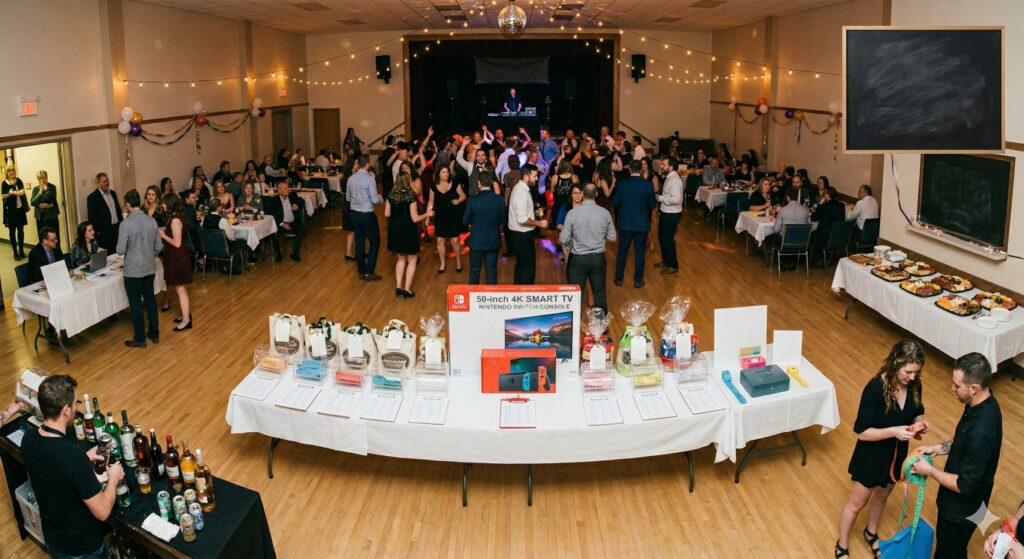
Wedding socials are unusually busy events.
There may be a DJ and dance floor, a bar, raffle tables, a 50/50, food later in the evening, ticket sales at the door and friends circulating between groups all night.
That’s part of what makes a social a social. The term itself is strongly associated with Manitoba and commonly refers to a pre-wedding party and fundraiser for the couple.
It also means the best additional entertainment usually does not require everyone in the room to stop what they’re doing at the same time.
Entertainment tends to fit a social particularly well when it:
- runs alongside the DJ, bar and raffles;
- lets guests participate whenever they want;
- works for people who aren’t dancing;
- doesn’t occupy a huge amount of hall space;
- doesn’t create another complicated schedule for the wedding party;
- gives guests something to talk about or do between draws; and
- ideally gives them something to take home.
That’s a different test than choosing entertainment for a two-hour birthday party or a formal wedding reception.
1. A DJ: still the foundation of most socials
If you’re planning a traditional Winnipeg wedding social with a dance floor, the DJ isn’t really an optional extra. The music is part of the structure of the night.
The DJ keeps things moving, handles announcements and gives guests somewhere to migrate after they’ve checked the prize tables, bought drinks and caught up with everyone they know.
What does a social DJ cost in Winnipeg?
Publicly listed Winnipeg-area prices vary.
As of September 2026, the published social DJ packages we checked ran about $625 to $800 plus GST for five hours, depending on the equipment, lighting and extras included. A local wedding-social planning guide suggests budgeting around $400 to $700.
For budgeting purposes, something in the general range of $400 to $800 is therefore reasonable to investigate, but get an actual quote for your date and venue.
Does it make sense?
For a traditional social: usually, yes.
A DJ provides entertainment for essentially the whole room and the whole evening. If you’re working with a tight budget, this is generally where we’d start before adding secondary entertainment.
2. Live robot-drawn portraits
This is where Robo Portraits fits into a social differently from a DJ.
We don’t replace the dance floor.
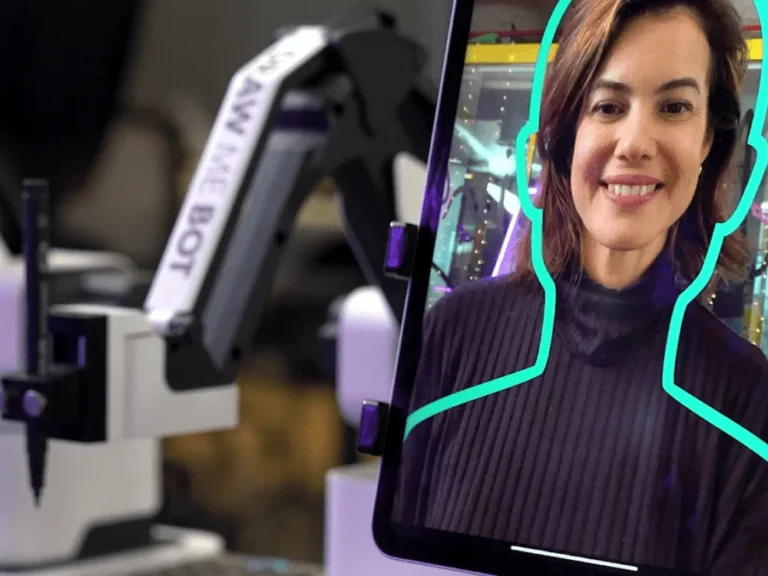
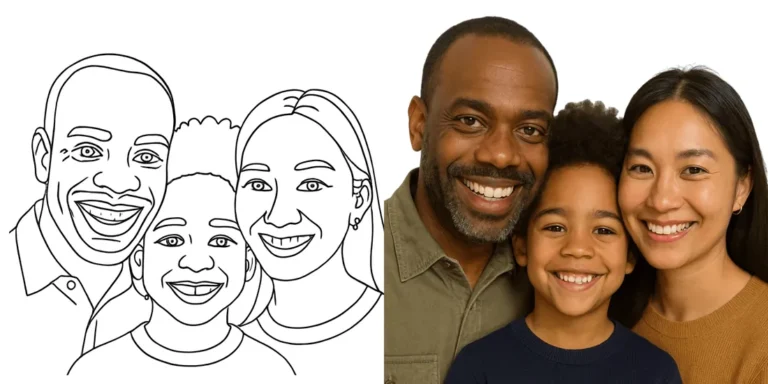
Instead, our robots draw portraits of guests while the rest of the social continues around them.
People walk over, watch the robot draw, get their portrait and take the physical drawing home with them. Other guests can gather around and watch, so the drawing itself becomes part of the entertainment.
That format works well at a social because guests can come over any time during your booked drawing time rather than at a scheduled moment.
Someone can get drawn at 8:30 while other guests are buying raffle tickets. Another group might come over after getting a drink. Someone else might visit the station because they don’t particularly feel like dancing.
You aren’t stopping a room full of people for another performance.
Robo Portraits for wedding socials at a glance
- From $849 for 1 robot or $1,099 for 2 robots, for 2 hours, plus applicable taxes.
- Saturdays, and any date from November 15 to December 31, add 15%.
- One robot draws about 20 to 40 portraits an hour, depending on the style guests choose.
- Each portrait is drawn in pen on 6 × 4 inch card.
- 1 attendant runs 1 or 2 robots.
- We bring the table. The station needs one standard outlet and no venue WiFi.
- Extra drawing time is $125 per robot per hour.
What does Robo Portraits cost for a wedding social?
Wedding social packages start at $849 for 1 robot and 2 hours, or $1,099 for 2 robots (plus applicable taxes).
Socials usually fall on a Friday or Saturday. Saturdays, and any date from November 15 to December 31, add a 15% peak-date fee, so 2 robots for 2 hours on a Saturday is $1,263.85 plus tax. Every fee is listed on our pricing page.
The robots, setup and an attendant are included. Guests drawn during the booked time receive their portrait without a separate per-portrait charge.
That makes the basic math straightforward.
With 2 robots for 2 hours, our planning rate is about 90 portraits (more if guests pick the simple style):
$1,099 ÷ 90 = about $12 per portrait (about $14 on a Saturday)
A 3rd hour adds $250 for 2 robots, for about 130 portraits:
$1,349 ÷ 130 = about $10 per portrait (about $12 on a Saturday, at $1,551.35)
Spread across the whole crowd, if 200 guests attend:
$1,099 ÷ 200 = about $5.50 per attendee (on a Saturday: $1,263.85 ÷ 200 = about $6.32)
At 300 guests:
$1,099 ÷ 300 = about $3.66 per attendee (on a Saturday: $1,263.85 ÷ 300 = about $4.21)
That doesn’t mean every attendee will be drawn. At about 90 portraits in 2 hours, most guests at a 200- or 300-person social won’t get a portrait; capacity depends on the drawing style, number of robots and booking length.
But looking at the cost per guest is a useful way to compare entertainment that serves the whole event against an activity used by only a small group.
See our Wedding Socials page for current packages and portrait capacity.
3. Photo booths
Photo booths fit socials for many of the same reasons.
They don’t interrupt the evening, guests can use them whenever they want, and people leave with either a physical or digital reminder of the night.
The biggest differences between providers are usually the type of booth, whether prints are included, the backdrop, attendant time, image quality, customization and length of the booking.
What does a photo booth cost in Winnipeg?
Current advertised Winnipeg pricing varies considerably.
We found short digital packages starting around $300–$400, while longer or more premium Winnipeg photo-booth packages can run approximately $700 to $1,050.
That wide range is why it’s important to compare what’s actually included.
A $300 digital setup and a $1,000 staffed booth with premium equipment, prints and a custom backdrop aren’t really the same product.
Does it make sense?
It can.
Photo booths are familiar, easy for guests to understand and work naturally alongside a dance floor.
If you’re choosing between a booth and another live activation, think about what your guests have already seen at other socials and what kind of take-home item you want them to receive. Our comparison of robot portraits, a caricature artist and a photo booth goes through the differences.
4. Social games and table challenges
Not every entertainment idea needs to cost $1,000.
Some of the highest-participation social activities can cost almost nothing if the wedding party is willing to organize them.
You could create:
- table challenges;
- trivia about the couple;
- guessing games;
- simple competitions;
- scavenger-style challenges; or
- small prizes tied to things happening throughout the night.
What does it cost?
Potentially under $100, depending on prizes and supplies.
The real cost is time.
Someone has to create the game, explain it, operate it, keep track of results and potentially make announcements.
That’s important because the wedding party is usually already busy selling tickets, monitoring raffle tables, dealing with the bar, answering questions and making sure the evening stays on track.
DIY entertainment is inexpensive only if you have enough people to run it.
For more low-cost ideas, see our indoor winter party entertainment ideas.
5. A 360 video booth
A 360 booth creates short videos by filming guests from a moving camera platform.
It’s more of a social-media-oriented experience than a traditional photo booth and can work with groups of friends who want to do something together.
Current Winnipeg pricing examples start in the few-hundred-dollar range for shorter bookings (from about $360 for 90 minutes in the listings we checked), although packages, duration and production quality vary.
The main thing to think about is space and flow.
A 360 platform needs a safe operating area around it, which can matter in a busy community hall where you already have a dance floor, prize tables, bar line, food tables and several hundred people.
Ask for the full footprint before booking.
6. Live performers
Live music, magicians and other performers can certainly make a social memorable.
But the format matters.
A roaming performer who interacts with small groups fits naturally into the flow of the event. A 45-minute stage performance that asks everyone to stop dancing, stop buying raffle tickets and turn toward the front of the hall changes the entire rhythm of the evening.
That doesn’t mean it can’t work.
It simply means you should think carefully about when it happens and what else stops while it’s happening.
Pricing varies too much by performer and length of booking to give a useful Winnipeg-wide figure. For budgeting purposes, get a written quote and compare the total cost against how many guests will realistically experience the performance.
Don’t forget the entertainment that’s already built into the social
One mistake is thinking you need to fill every minute with something.
You don’t.
A well-run social already gives people quite a bit to do:
music + dancing + drinks + visiting + raffles + prize tables + food
That’s why the best add-on entertainment often fills a gap rather than adding another major event to the schedule.
Think about the guests who aren’t dancing.
What are they doing for the next three hours?
That’s where a photo booth, Robo Portraits, casual game or similar walk-up activity can add value.
How much should you spend on wedding social entertainment?
This is where social planning gets interesting.
Entertainment can make the event better, but a social is also intended to raise money.
So look at entertainment spending in relation to your expected attendance rather than treating $500, $1,000 or $1,500 as numbers in isolation.
Local wedding-social planning sources commonly reference admission tickets in roughly the $10 to $15 range, although actual ticket prices vary by event.
Let’s use those numbers only as examples. The $1,099 figure is our 2-robot, 2-hour package; on a Saturday, or any date from November 15 to December 31, it’s $1,263.85 with the 15% peak-date fee.
Example 1: 200 guests at $10
If 200 attending guests each bought a $10 admission ticket:
200 × $10 = $2,000 gross admission revenue
A $600 DJ would equal:
30% of gross admission revenue
A $1,099 entertainment package would equal:
about 55% of gross admission revenue
On a Saturday, $1,263.85 would equal:
about 63% of gross admission revenue
That doesn’t mean the entertainment costs 55% of your entire social revenue.
Socials may also generate revenue through the bar, raffles and other activities. It simply shows how large an expense is relative to one known source of revenue.
Example 2: 250 guests at $15
250 × $15 = $3,750 gross admission revenue
A $1,099 entertainment expense would equal:
about 29% of gross admission revenue
Or:
about $4.40 per attending guest
On a Saturday, $1,263.85 would equal:
about 34% of gross admission revenue, or about $5.06 per attending guest
Example 3: 300 guests at $15
300 × $15 = $4,500 gross admission revenue
A $1,099 entertainment expense would equal:
about 24% of gross admission revenue
Or:
about $3.66 per attending guest
On a Saturday, $1,263.85 would equal:
about 28% of gross admission revenue, or about $4.21 per attending guest
That illustrates why attendance matters so much.
A $1,000 entertainment expense can feel substantial at a 100-person social and relatively modest at a 350-person social.
Don’t assume entertainment will “pay for itself”
This is worth saying clearly.
Adding better entertainment might make your social more enjoyable. It might help create a stronger event. Guests might stay longer.
But you should not build your budget on the assumption that spending another $1,000 on entertainment will generate more than $1,000 in additional raffle, ticket or bar revenue.
There is no reliable way to promise that.
People attend and spend for all sorts of reasons: how well they know the couple, the quality of the prizes, how many people show up, ticket pricing, the venue, the crowd and simply how generous guests feel that night.
Treat entertainment as an event expense, not as a guaranteed investment return.
If the social still works financially without assuming the entertainment generates additional revenue, you’re using much safer math.
Remember: raffle revenue isn’t unlimited or unregulated
Raffles are a major part of many Manitoba socials, but they have rules.
The Manitoba Liquor, Gaming and Cannabis Authority requires a social occasion raffle licence for raffles such as a 50/50 or player’s choice. According to the LGCA’s licensing FAQ, individual raffle tickets cannot be sold for more than $2, individual prizes cannot exceed $500 in value, and revenue from each raffle is capped at $10,000. The social must be held at a public venue, not a private home, and you need to apply at least 2 days before the event.
Rules can change, so check the LGCA requirements when you’re actually planning your event rather than relying on an old social-planning checklist.
Likewise, if you’re selling or serving liquor at a social outside a licensed establishment or private residence, a social occasion liquor permit is generally required. The LGCA currently says to apply at least four weeks before the event.
Rules change; check with the LGCA before your event.
A simple wedding social entertainment budget
If fundraising is an important goal, build your entertainment budget only after estimating the main event costs.
A simple planning worksheet might look like this:
| Item | Planning amount |
|---|---|
| Hall | $_____ |
| DJ | $_____ |
| Food / late lunch | $_____ |
| Liquor and bar-related costs | $_____ |
| Permits / licences | $_____ |
| Raffle or prize costs not donated | $_____ |
| Security / staff if required | $_____ |
| Decorations | $_____ |
| Additional entertainment (include any peak-date fee) | $_____ |
| Other / contingency | $_____ |
| Total estimated event cost | $_____ |
Then compare that against conservative estimates for:
- admission tickets actually expected to be sold;
- bar revenue, less the cost of liquor and related expenses;
- licensed raffle revenue, less prize costs; and
- any other legitimate event revenue.
Don’t start with the amount you’d like to raise and work backwards using optimistic assumptions.
Start with attendance you reasonably expect and costs you actually know.
Where should additional entertainment fit into the night?
A wedding social doesn’t need another tightly scheduled program.
In fact, additional entertainment often works best when it’s simply available during the busiest part of the night.
For something like Robo Portraits or a photo booth, you might run the activity while guests are arriving, visiting, checking prize tables and moving between the bar and dance floor.
That gives people something to discover without competing with major announcements or draws.
It also makes the entertainment useful for the people who aren’t spending the whole evening dancing.
What should you prioritize if the budget is tight?
Start with the fundamentals.
A good room, enough people, music, food, a properly organized bar and well-run raffles matter more than adding five different entertainment ideas.
If the budget allows for something extra, choose one thing guests will actually notice and use.
That’s usually better than spending the same money across several small extras nobody remembers.
And look at your guest list.
If almost everyone is coming to dance, spend accordingly.
If you’re expecting a wide mix of ages, coworkers, relatives, friends and guests who may not spend much time on the dance floor, walk-up entertainment becomes more useful.
Is Robo Portraits a good fit for a Winnipeg wedding social?
Our wedding-social package fits the way socials work.
The robots don’t need everyone to stop for a show.
Guests come over throughout the booking, watch their portrait being drawn and leave with the finished physical artwork.
Meanwhile, the DJ keeps playing, raffle sales continue and everyone else carries on with the night.
For a social where you’ve already got the DJ, drinks, dancing and prize tables covered and want to add one thing guests probably haven’t seen at the last ten socials they attended, that’s the role Robo Portraits is intended to fill.
Wedding social packages start at $849 for 1 robot and 2 hours, or $1,099 for 2 robots (plus applicable taxes). Saturdays and November 15 to December 31 add 15%.
See Robo Portraits for Wedding Socials for current packages, portrait capacity and availability, or check your date.
Frequently asked questions
What entertainment works at a wedding social?
Entertainment that runs alongside the DJ, bar and raffles, so guests can join in whenever they like. The DJ is the foundation of most socials; a walk-up extra such as a photo booth or a robot portrait station gives guests who aren’t dancing something to do.
How much does a DJ cost for a social in Winnipeg?
The published social DJ packages we checked in September 2026 ran about $625 to $800 plus GST for five hours, and a local planning guide suggests budgeting $400 to $700. Get a written quote for your date and hall.
Do I need a licence for a 50/50 at a social in Manitoba?
Yes. You need a social occasion raffle licence from the LGCA. Tickets can cost at most $2, prizes can be worth at most $500, and each raffle can take in at most $10,000. The social must be at a public venue, not a private home, and you apply at least 2 days before. Rules change, so check with the LGCA before your event.
How many guests can get a robot portrait at a social?
One robot draws about 20 to 40 portraits an hour, depending on the style guests choose. At our planning rate, 2 robots draw about 90 portraits in 2 hours and about 130 in 3 hours, so at a large social not every guest will be drawn.
How much does Robo Portraits cost for a wedding social?
Wedding social packages start at $849 for 1 robot and 2 hours, or $1,099 for 2 robots, plus applicable taxes. Saturdays and November 15 to December 31 add 15%, so 2 robots on a Saturday is $1,263.85 plus tax.